
Lease Contract for Renting an Area: Step-by-Step Overview and Free Design Template
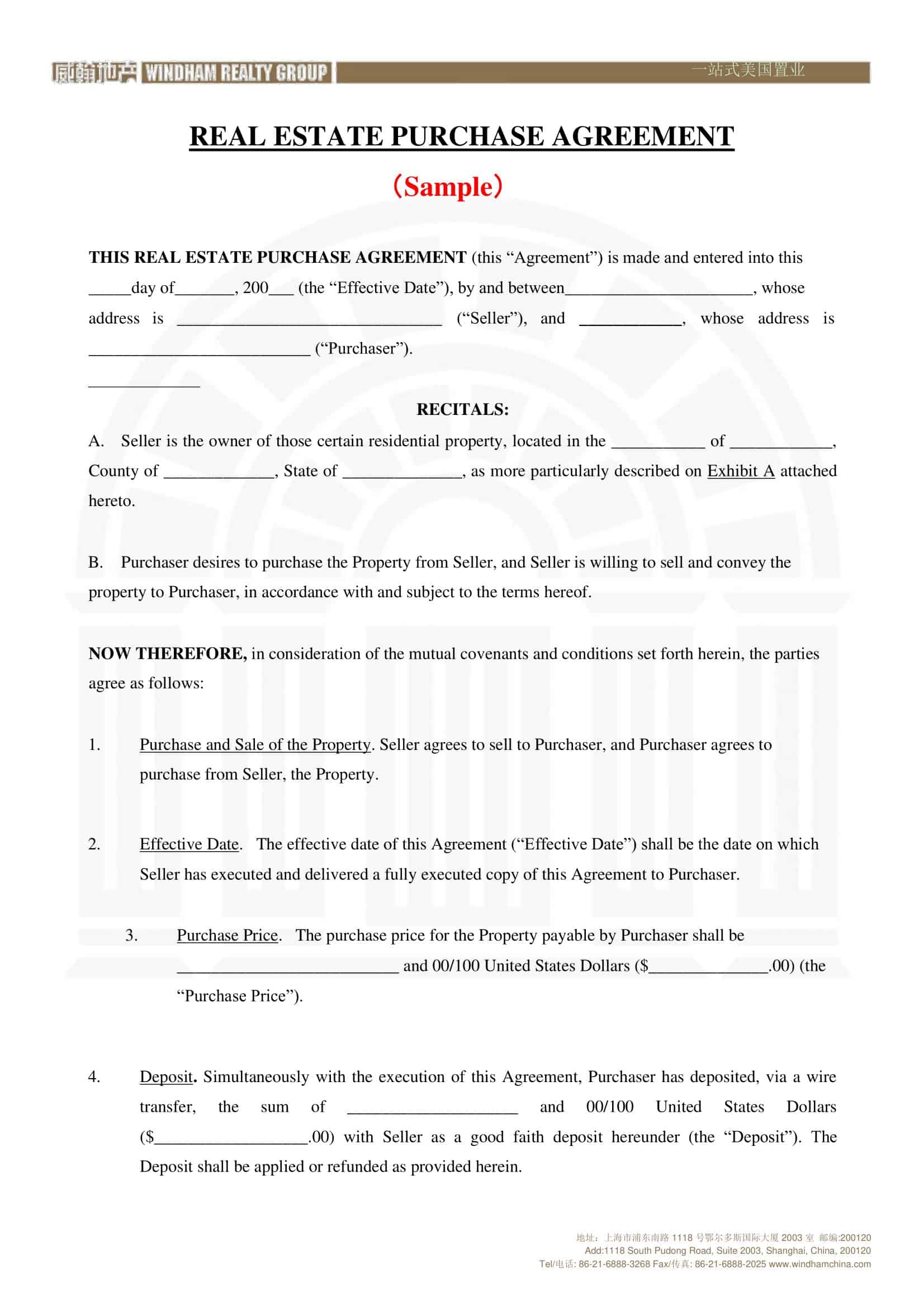
Leasing a space in a home can be an efficient way to gain extra revenue, yet it also calls for clear lawful paperwork. A lease agreement for leasing a space the legal rights and responsibilities of both proprietor and occupant, guaranteeing that expectations are appropriately established.
In this guide, we’ll explain what a space lease contract is, why it matters, and exactly how to develop one utilizing a simple and complimentary theme.
What Is a Lease Agreement for Renting Out a Room?
A lease agreement for leasing an area is a legitimately binding agreement between a property owner and a renter that inhabits a specific space within a building. It approves the tenant the right to utilize one exclusive area, frequently in a shared home or apartment or condo while laying out accessibility to usual spaces such as the kitchen, living space, or washroom. Unlike a full-property lease, this document concentrates on the tenant’s special area and makes clear how shared areas are utilized.
If you’re planning to lease an area for added earnings, it is very important to comprehend the legal process and obligations included.follow the link georgia lease agreement for a room At our site You can check out this in-depth overview on just how to rent an area in your home for functional actions and proprietor ideas.
Numerous homeowner question, ‘Can you write your very own lease arrangement?’ Yes, absolutely, however it needs to be detailed and comply with neighborhood and state regulations. To streamline the procedure, utilizing an area rental arrangement template complimentary for download is highly recommended. Beginning with an easy space rental arrangement theme ensures that all crucial lawful components are included and minimizes the threat of missing out on essential conditions.
So, what should be consisted of in a lease arrangement for renting out a space? Right here are the essential sections every proprietor must cover:
- Tenant and Landlord Info
- Home and Room Summary
- Lease Term
- Lease and Repayment Terms
- Down payment
- Utilities and Provider
- House Policy
- Maintenance and Fix
- Legal and Conformity Clauses
- Trademarks and date
Why Landlords Required a Room Lease Contract?
Having actually a composed occupancy contract renting out a room is more than excellent method. It’s lawful security. Verbal agreements might be misunderstood, and casual arrangements usually create conflicts.
Below are vital reasons every property owner should prepare a thorough area lease agreement.
Lawful defense for both parties
A written lease for renting out an area in my residence plainly lays out obligations and civil liberties. It specifies the homeowner’s civil liberties, such as collecting rental fee and implementing house rules, and the lessee’s legal rights, such as a habitable space.
This legal clearness is essential if conflicts arise. Without an official lease for leasing an area in my residence, property owners have little choice in court for concerns like non-payment or building damage.
Clarity on rules, responsibilities, and payments
The contract specifies who pays for energies, what locations are shared, and when rent is due. Clear terms minimize confusion concerning late costs, cleansing tasks, or guest plans, concerns that usually result in contrast in common real estate.
Avoiding disagreements by placing whatever in writing
Most landlord-tenant problems develop from misconceptions, not malevolence. Defining every information upfront from silent hours to cleaning up routines, assists avoid disagreements in the future. Property owners must make sure the tenancy agreement leasing a room covers all expected common living problems.
Crucial Element to Consist Of in a Space Lease Contract
An excellent example lease arrangement for room leasing should be extensive. Here is what to consist of in a space rental agreement to ensure it’s legally audio and covers all scenarios.
1. Tenant and Property Owner Info
Every area rental contract begins with fundamental identification details. Consist of:
- Complete lawful names
- Contact information
- Identification numbers for both the proprietor and the lessee
This avoids complication, especially in multi-tenant homes where a number of renters share typical rooms. Some landlords likewise consist of emergency situation call details for security objectives.
2. Property and Room Summary
Clearly define the property’s complete address and the exact space being leased.
As an example: ‘Area 2, 2nd flooring, includes private shower room and common access to cooking area and washing.’ Discuss any type of common centers: garage, backyard, or storage to avoid misconceptions later.
For property managers renting an area in a personal home, this clarity is particularly vital to define which locations are private versus shared.
3. Lease Term
The lease term defines how long the renter can occupy the room. Specify clearly state the start and end dates, whether it’s a fixed-term (e.g., one year) or month-to-month setup. Month-to-month leases use even more flexibility for both sides.
For more details concerning this sort of rental duration, check what is a month-to-month lease. Also, include revival terms and notice periods for ending or expanding the lease.
4. Rent and Settlement Terms
Specify the exact rent amount, the due date (e.g., the 1st of the month), and approved payment approaches, for instance, straight bank transfer, online payment systems, or check. Many property owners now prefer electronic payments for effectiveness and record-keeping. If late costs use, define the grace period and penalty percent.
To streamline rental fee collection and stay clear of missed out on settlements, refer to the best means to gather rental fee for contemporary, safe and secure choices.
5. Security Deposit
A down payment supplies financial protection in case of damage or overdue rent. The arrangement needs to specify the down payment quantity, exactly how it’s kept (in a different escrow or depend on account), and the timeline for return after the lease finishes.
Under a lot of U.S. state legislations, property owners should return the deposit within 14 to one month after move-out, minus any type of authorized reductions. Include clear problems for reductions, such as fixings past normal wear and tear to prevent disputes.
6. Utilities and Services
Among one of the most typical sources of difference is utility prices. A clear area share rental arrangement need to describe which energies: electricity, water, gas, internet, are consisted of in lease and which are split amongst lessees. For shared residential or commercial properties, consider including a utility-splitting condition defining exactly how each tenant contributes.
This stops misunderstandings about expenses and urges liable usage.
7. Home Rules
Standing order develop a considerate living atmosphere. Overview expectations for noise, tidiness, visitor visits, cigarette smoking, and pet dog policies. These information are particularly important in common homes or rooming homes where several lessees interact daily.
Landlords renting part of their personal residence should additionally clear up site visitor hours, vehicle parking setups, and use of common rooms like kitchens or patio areas. Having actually these composed makes certain consistency and consistency for every person.
8. Repair and maintenance
Maintenance stipulations establish that deals with fixings and maintenance. Commonly, tenants take care of small concerns like lightbulb replacement or minor cleaning, while proprietors take care of structural or system-related fixings (e.g., pipes, COOLING AND HEATING).
Encourage tenants to report issues promptly to stop bigger damages. Landlords can also define how upkeep requests should be sent by text, e-mail, or through a monitoring platform.
For even more insights on property manager expenses and responsibilities, see home administration price.
9. Legal and Conformity Clauses
Every tenancy arrangement leasing a room must adhere to local real estate regulations, fire safety codes, and anti-discrimination laws such as the Fair Real Estate Act (FHA). Include provisions covering expulsion procedures, subletting regulations, and just how legal notices are supplied.
If updates or rule changes happen throughout the occupancy, landlords can provide a lease addendum instead of revising the entire contract.
How to Create a Lease Agreement for Renting Out a Room?
Property owners do not need to be lawyers to compose a solid agreement. Knowing exactly how to compose a lease arrangement for a room is a manageable process. Here’s just how to do it.
Step 1: Use a layout
Begin with a basic space rental arrangement layout or space for rent agreement theme. These layouts consist of all crucial sections: renter details, payment terms, and maintenance provisions, designed to satisfy the majority of U.S. state needs.
If the property remains in a city with rental ordinances (like Los Angeles or New York), landlords need to confirm that the template abides by regional housing codes, rent control policies, or disclosure legislations.
Step 2: Personalize the terms
Landlords typically ask, ‘Can you write your own lease arrangement?’. Yes, it’s completely lawful, offered the document includes all needed clauses under neighborhood landlord-tenant regulation. Next, individualize the record to mirror the one-of-a-kind details of the home and living setup. Consist of:
- Residential or commercial property description: Address, space number, and accessibility to shared areas (kitchen, washing, backyard).
- Rent details: Month-to-month rent, due date, and settlement techniques (cash, check, bank transfer, or digital apps).
- Security deposit: Amount, holding technique, and timeline for reimbursement.
- Rules and regulations: Smoking policies, visitor restrictions, quiet hours, and family pet consents.
- Furnishings: Define if the area includes furnishings or home appliances.
When personalizing, make sure every provision is specific, quantifiable, and fair. It is crucial that both celebrations recognize what they are authorizing. We recommend examining the crucial questions to ask before authorizing a lease to make sure clarity on every term.
Step 3: Evaluation with the renter
Before signing, both events must evaluate every section with each other. Go through rent, utilities, upkeep, and rules and regulations in detail. Encourage the tenant to ask concerns or suggest revisions for quality. Transparency at this stage helps stop misconceptions, enhances trust, and advertises long-term tenancy stability.
In addition, property managers with numerous tenants ought to clear up whether the agreement is joint or private. Discover more regarding this at numerous lessees on a lease
Step 4: Indicator and disperse copies
Once both sides agree, the lease needs to be authorized and dated. In many U.S. states, digital signatures are legally valid under the Digital Signatures in Worldwide and Nationwide Business Act (E-SIGN).
Each party needs to receive a signed copy either printed or digital for their documents. Preserving documentation guarantees compliance and streamlines future legal or economic recommendations.
To better secure the contract, property managers might have signatures notarized (optional) or consist of witnesses, especially for leases longer than one year.
Final thought
A comprehensive lease contract for renting out an area safeguards both property manager and renter by defining assumptions plainly. Whether taking care of a common home or leasing a personal suite, having an authorized and structured contract makes sure smooth collaboration and legal protection.
Landlords can start with a totally free area rental agreement layout, tailor it, and settle it with their lessees. Gradually, preserving created records and adhering to local regulations constructs a trusted, specialist approach to building rental.
